 JOIN
JOIN MEMBERS
 C-TOW APP
 CAREERS
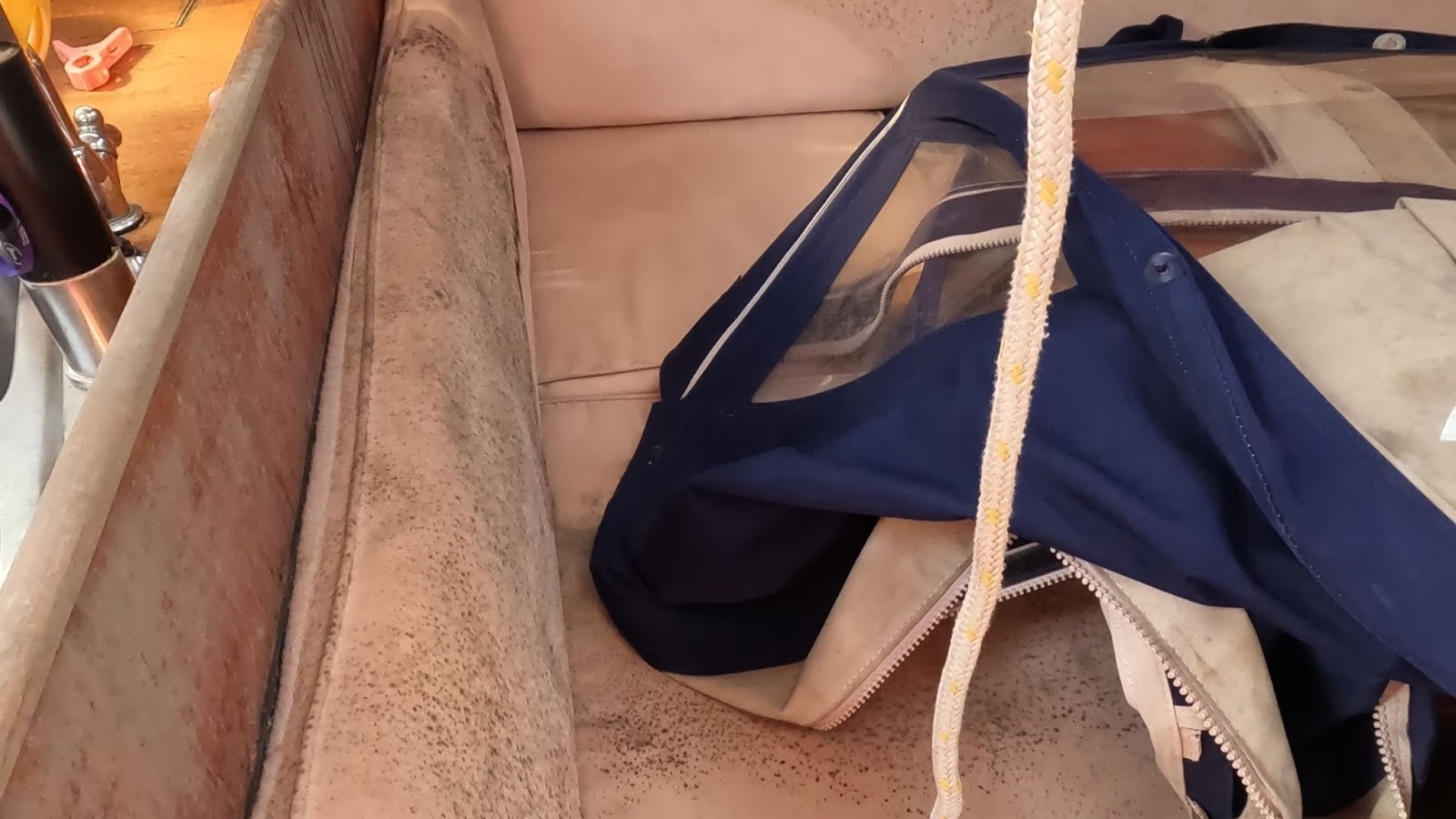
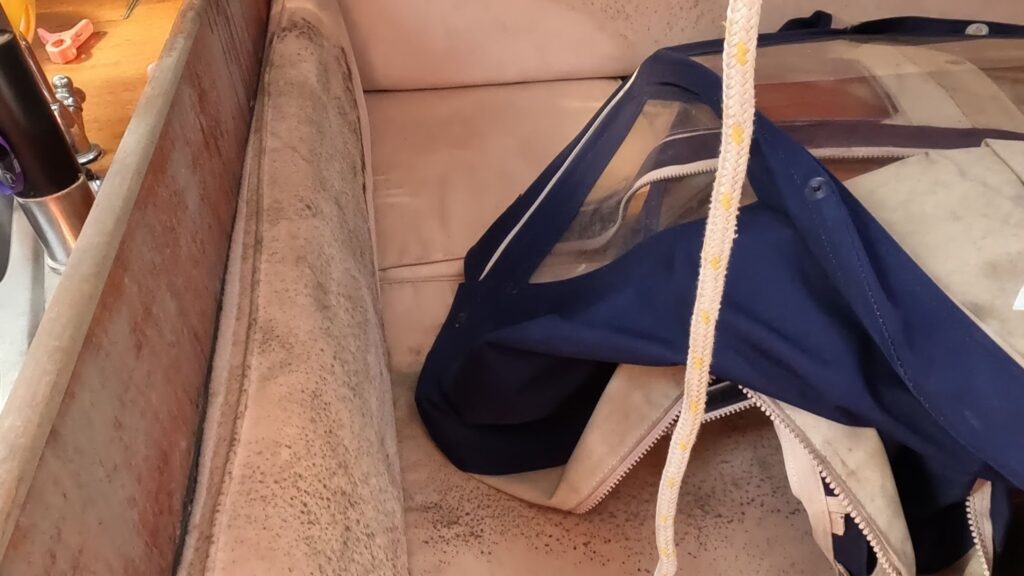
If you live on a boat and spend any time on one, you must have experienced the mold in all it’s glory at least once. Mold thrives in these dark and humid environments, which is where our beloved boats live. Last year, we left our C&C Landfall 43 on the hard in Florida for 3 months. And after hurricane season, I came back to a mold infested nightmare. My once white settee cushions were black, walls were now hosting a new ecosystem, little creatures were even growing at the bottom of my fridge, and the stench was horrific. We didn’t want our baby and toddler onboard. It was unhealthy and disheartening to see our home in this state. I wanted to cry. However, this season, our sailboat stayed afloat in the Luperon Harbour, Dominican Republic, for a few months, and we came back to a boat which to our surprise we moved on board instantly. After owning two boats and 7 years of experience, I’ve dialed a few tricks which I want to share with you to keep your boat mold-free.
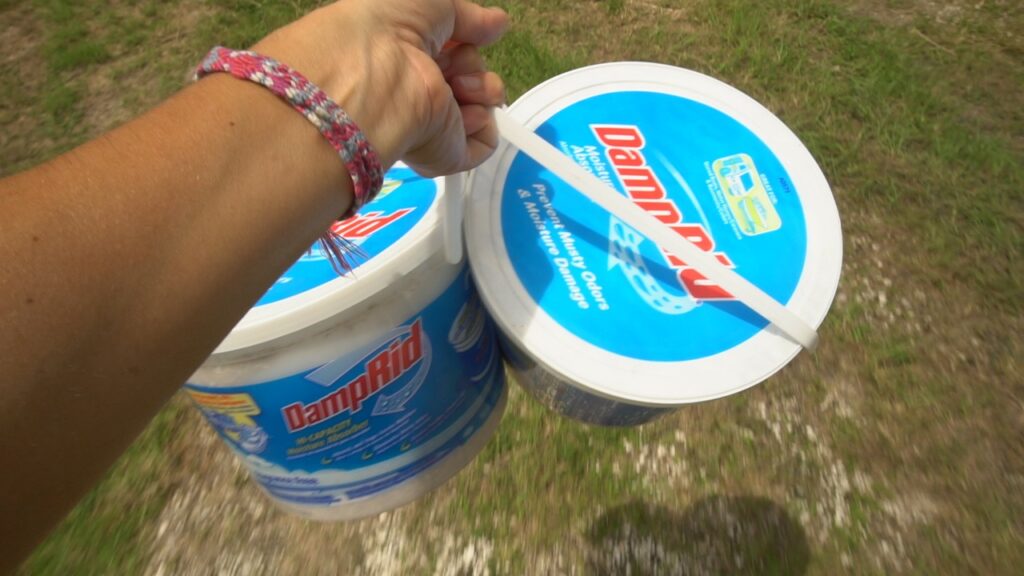
Moisture Absorber Buckets
For four seasons, we have always left DampRid or moisture absorber buckets on our boat. They worked great at trapping moisture without needing power to run a dehumidifier nonstop. This year, we just didn’t find any, so we made do without them.
Vinegar
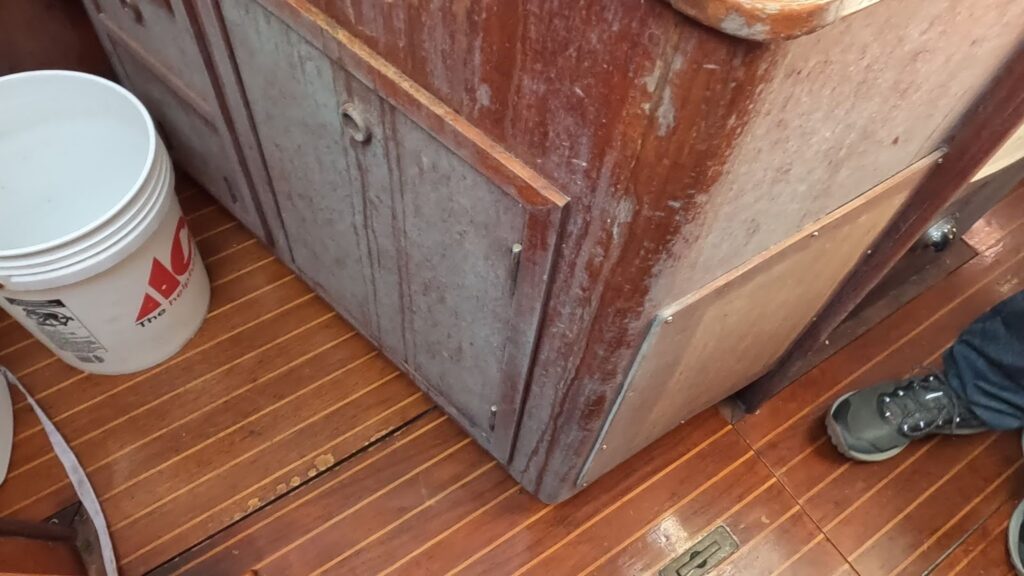
It was my first season trying this vinegar trick. Just before closing up our sailboat, I went around spraying our walls and cushions with vinegar. Wood surfaces tend to have mold growing on them more than other surfaces. I even left two mugs filled with vinegar in the boat. Upon my return, the vinegar had fully evaporated, leaving our boat with next to no mold other than one darker room.
Bag EVERYTHING
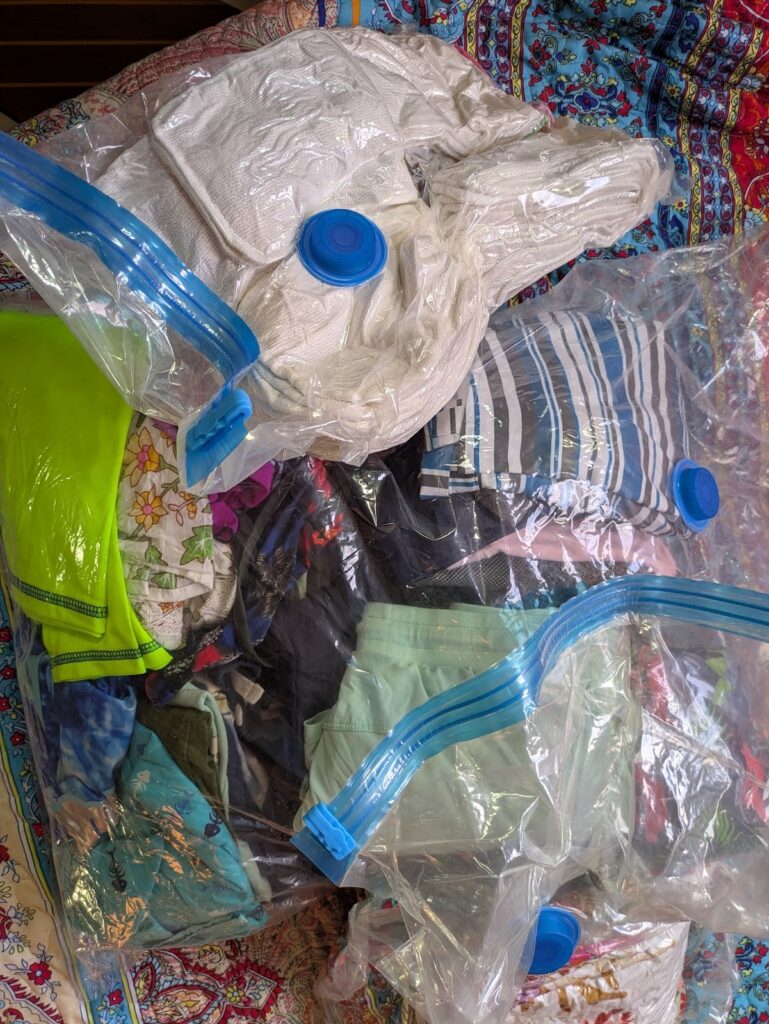
This year, I purchased a lot of vacuum-sealed bags and went all out. Every piece of clothing that was left behind, and anything made of fabric, went in. I put bigger items in big garbage bags. The only thing that I ran out of time to do was to wrap all my cushions. Fabric attracts moisture, which then becomes a breeding ground for mold. Even books can have mold growing on them, which I had the unfortunate chance of cleaning after leaving our boat for the first time in tropical Florida. From then on, I’ve been putting my books, puzzles, and wooden toys all in bags. It takes much less time unbagging everything once you return, instead of doing a full load of Barbies’ and dolls’ clothes.
Keep water out
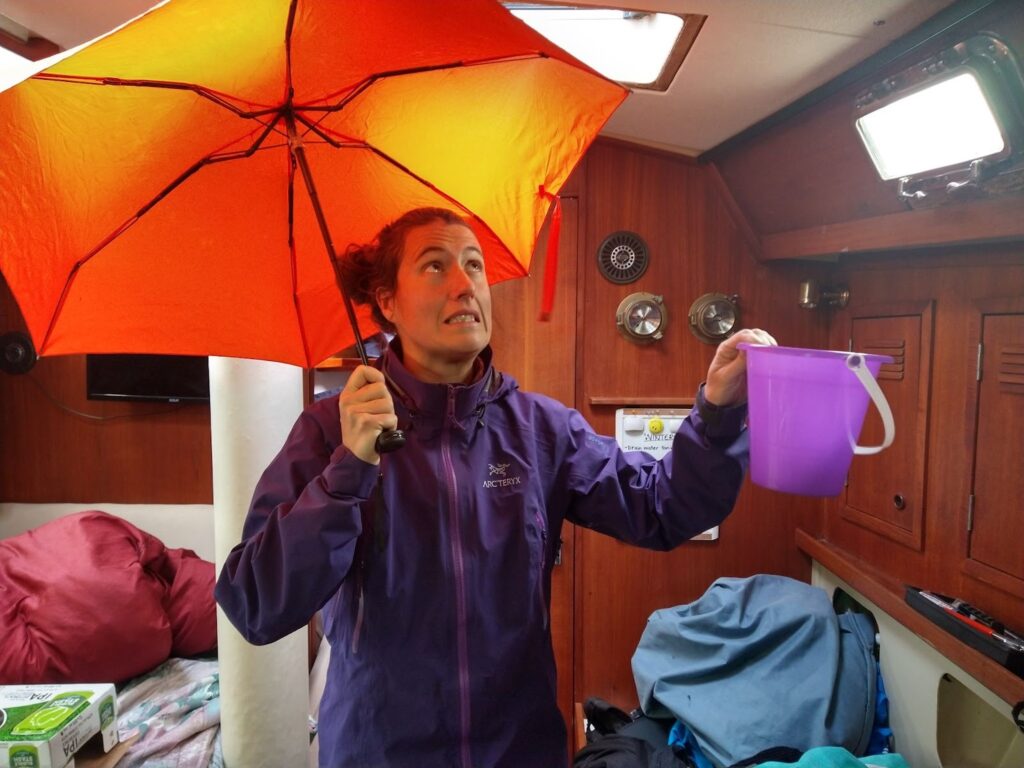
Any water left behind inside the boat will create moisture, leading to the perfect environment for fungi to thrive in. Thus, we emptied our bilges when we left the boat in storage. This year, it was left on a mooring ball, so unfortunately, we had a little water left in the bilges. But your main goal should be to eliminate as many leaks as possible. The main culprit from our crazy mold year was a five-foot-long portlight, which decided to let in gallons of water during a hurricane. Before leaving your boat unattended for multiple months, ensure that water can’t get in and that you remove any water left inside.
Tricks I haven’t tried
I have also heard of cruisers using lemon oil on their walls to prevent mold from growing. Keeping air moving is always a good trick, but that means you would need to keep fans running nonstop or have someone keep an eye on your vessel and open hatches regularly. Another alternative is leaving a dehumidifier running, which takes a lot of power and isn’t very practical unless plugged in with a drain.
It is hard to prevent mold from growing on a boat, even after trying everything. I also have noticed that mold grows even more when it’s cold outside and a heater is running inside. All the moisture that forms on walls then turns into mold. But I’m very happy with all the tricks I have been learning and applying over the years. It’s so rewarding to come back to a boat in which you don’t have to be scared of moving on board and have to wash everything that was left on it.
Cory and Alex share their adventure with weekly videos on their YouTube channel “Wildly Intrepid Sailing”. Their dream is to travel the world and to live without regrets.