 JOIN
JOIN MEMBERS
 C-TOW APP
 CAREERS
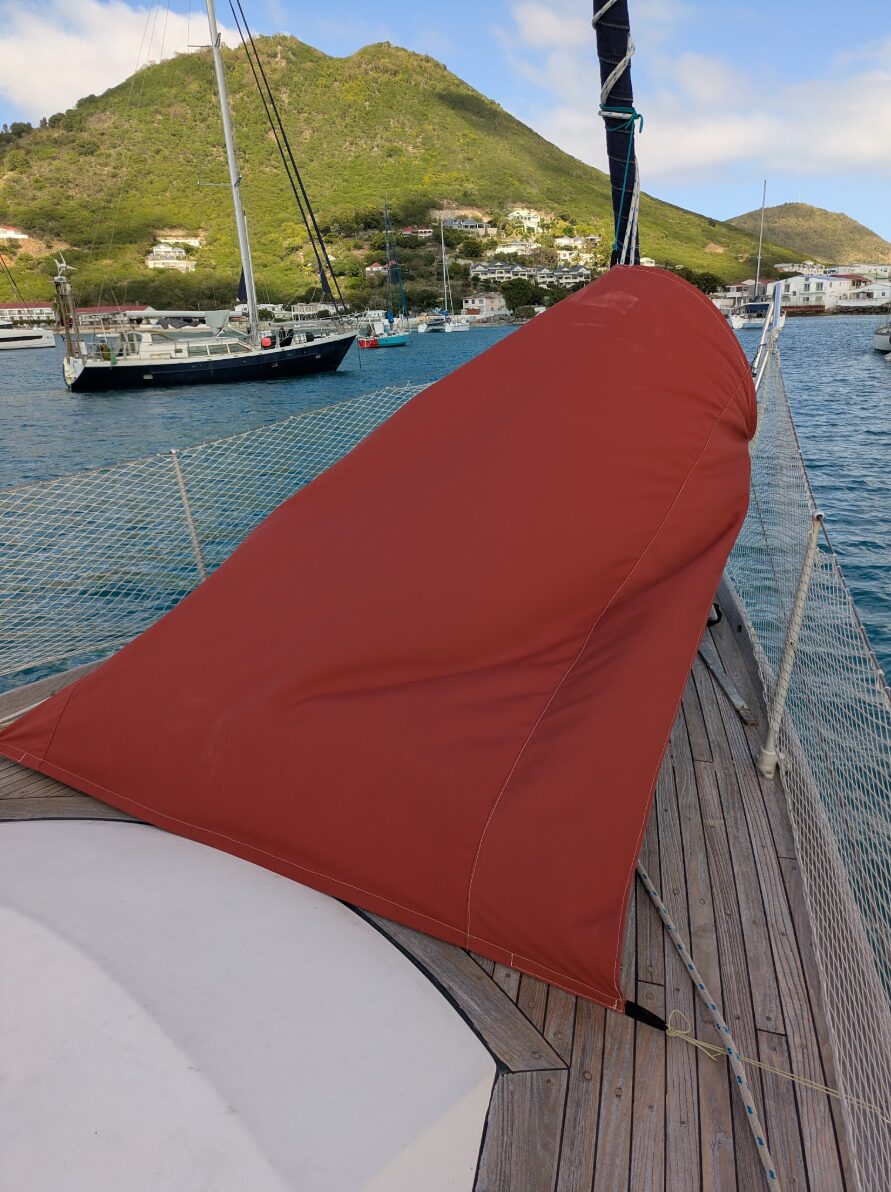
If you spend enough time on a sailboat, you quickly realize one thing: eventually everything needs love.
Cushions fade. Zippers fail. Biminis tear. Sail covers get eaten alive by UV. And if you’re cruising remotely like the Bahamas, getting replacements made professionally can be expensive—or impossible.
That’s where having your own sewing setup onboard becomes a game changer.
But not all gear is created equal. After plenty of trial, error, and a few projects that didn’t survive their first season, here are the must-have sewing items that actually hold up in a marine environment.
1. A Reliable Workhorse: Singer Heavy Duty Machine
You don’t need a $2,000 industrial sewing machine to get solid results onboard. What you do need is something simple, tough, and capable of handling thick materials.
The Singer Heavy Duty checks those boxes.
It’s:
- Affordable (about $300)
- Widely available
- Strong enough for multiple layers of canvas
- Simple to troubleshoot,… well most of the time at least with a little help from YouTube
We’ve used ours for everything from:
- Cushion covers
- Bimini/ Dodger repairs
- Wind Scoop
- Sail repairs
- Paddleboard sun-covers
- Curtains
- Clothing
Is it perfect? No. It’s not a true sailmaker’s machine. But for 90% of cruising projects, it gets the job done. I dreamed of buying my SAILRITE but it was far off my budget and to be honest over the last 8 years of sailing there has only been a handful of times where I wish I had a bigger sewing machine. I tried a Barracuda machine for a few days before returning it. At $800, it was clunky and only tailored for big repairs and not the all-aroundness of my Singer.
Pro tip: Use the right needle (size 16–18 for heavy fabric). Most “machine issues” are actually needle problems. And I’ve broken a few so buying extras is key.
2. UV-Resistant Thread: Don’t Cheap Out Here
If there’s one place you should never cut corners, it’s thread.
Standard thread might look fine at first—but under constant sun exposure, it degrades fast. Sometimes in just a few months. On our Hunter 33 I first repaired the dodger with non-UV thread and that’s how I learnt the hard way. DO IT RIGHT the first time.
Otherwise your seams fail… even if the fabric is still in good shape.
Look for:
- UV-resistant polyester thread
- Marine-grade thread (like V-92 or similar strength)
It’s more expensive—but it means you won’t be re-stitching everything next season.
When I finally used the proper UV thread on my dodger it outlived the material, which to be fair was already old. Still a big win and discovery made early on in our cruising life.
3. Sunbrella Fabric: Worth Every Penny
When it comes to marine fabric, Sunbrella is the gold standard—and for good reason.
It’s designed specifically for harsh outdoor environments:
- UV resistant
- Mold and mildew resistant
- Breathable
- Durable over years, not months
We’ve used cheaper alternatives before to recover our cockpit cushions… and regretted the very next year. The material was so brittle that it started tearing from everywhere other than the seams (UV thread).
They fade faster, weaken quicker, and often don’t justify the savings.
Sunbrella works perfectly for:
- Biminis and dodgers
- Sail covers
- Cushion covers
- Shade awnings
Reality check: It’s not cheap. But neither is redoing the same project twice. But if you keep your eyes out, there is discounted sunbrella to be found, like leftover rolls. So if you are not too picky with colours you might even make the project cheaper than with not so good fabric.
4. Little extras you should carry
Some of the most valuable sewing items on a sailboat aren’t big or expensive—they’re the small things that extend the life of your gear and save you from constant repairs likeBees wax/ Zipper Lube.
Zippers deteriorate at an alarming rate in the sunny and salty environment combined with constant use. And if you want to prevent this, run bees wax or a zipper lube along the teeth of the zipper and open and close the zipper multiple times.
Keeping your zippers lubricated does a few key things:
- Reduces friction → less stress on the slider
- Prevents salt buildup from locking things up
- Helps repel moisture
- Extends the overall lifespan significantly
Think of it like engine maintenance—ignore it, and things fail faster than expected. I should be doing it more often.
Sewing Onboard is a Superpower
Sewing might not be the most glamorous part of cruising—but it’s one of the most valuable skills you can have onboard.
With a simple heavy-duty machine, UV-resistant thread, and quality fabric like Sunbrella, you’ll be able to handle most projects that come your way while saving money.
And more importantly—you won’t be at the mercy of chandleries, long wait times, or expensive repairs.
Because out here, the more you can do yourself…
the further you can sail.
Anne Alexandra Fortin
Cory and Alex share their adventure with weekly videos on their YouTube channel “Wildly Intrepid Sailing”. Their dream is to travel the world and to live without any regrets.