 JOIN
JOIN MEMBERS
 C-TOW APP
 CAREERS
A blog by Wavve Boating
Navigating shallow water in a boat requires skill, attention, and understanding of your vessel’s capabilities. Whether exploring backcountry flats, cruising coastal bays, or navigating rivers and inlets, knowing how to safely operate in shallow water protects your boat from damage and prevents dangerous grounding situations.
This comprehensive guide covers everything you need to know about shallow water navigation, from understanding draft and clearance to reading water conditions and using proper techniques for different boat types.
Understanding Boat Draft: The Foundation of Shallow Water Navigation
Draft represents the vertical distance from the waterline to the deepest part of your boat’s hull, propellers, or keel. This measurement determines the minimum water depth your boat needs to float without touching bottom. Understanding your boat’s draft is the single most important factor when navigating shallow water.
Types of Draft You Need to Know
Static Draft measures your boat when stationary. This figure, typically listed in boat specifications, shows how much water your vessel displaces at rest. Small boats like kayaks and dinghies have drafts under one foot, fishing boats and pontoons usually draw one to two feet, while sailboats with deep keels can exceed six feet.
Running Draft describes how much water your boat needs when moving, particularly when on plane. Modern powerboats rise substantially out of the water once planing, reducing draft by several inches or more. A boat with a two-foot static draft might only need 12-14 inches of water when cruising on plane, making this distinction critical for shallow water navigation.
Engine Up vs Engine Down Draft applies to boats with tilting outdrives or outboards. With the engine tilted up, draft decreases significantly, sometimes by a foot or more. However, you can’t operate at full power with the engine fully raised, limiting this option to idle-speed maneuvering. As a general rule, add nine inches to engine-up draft to estimate how much depth you need with the engine down far enough to engage gears and move forward.
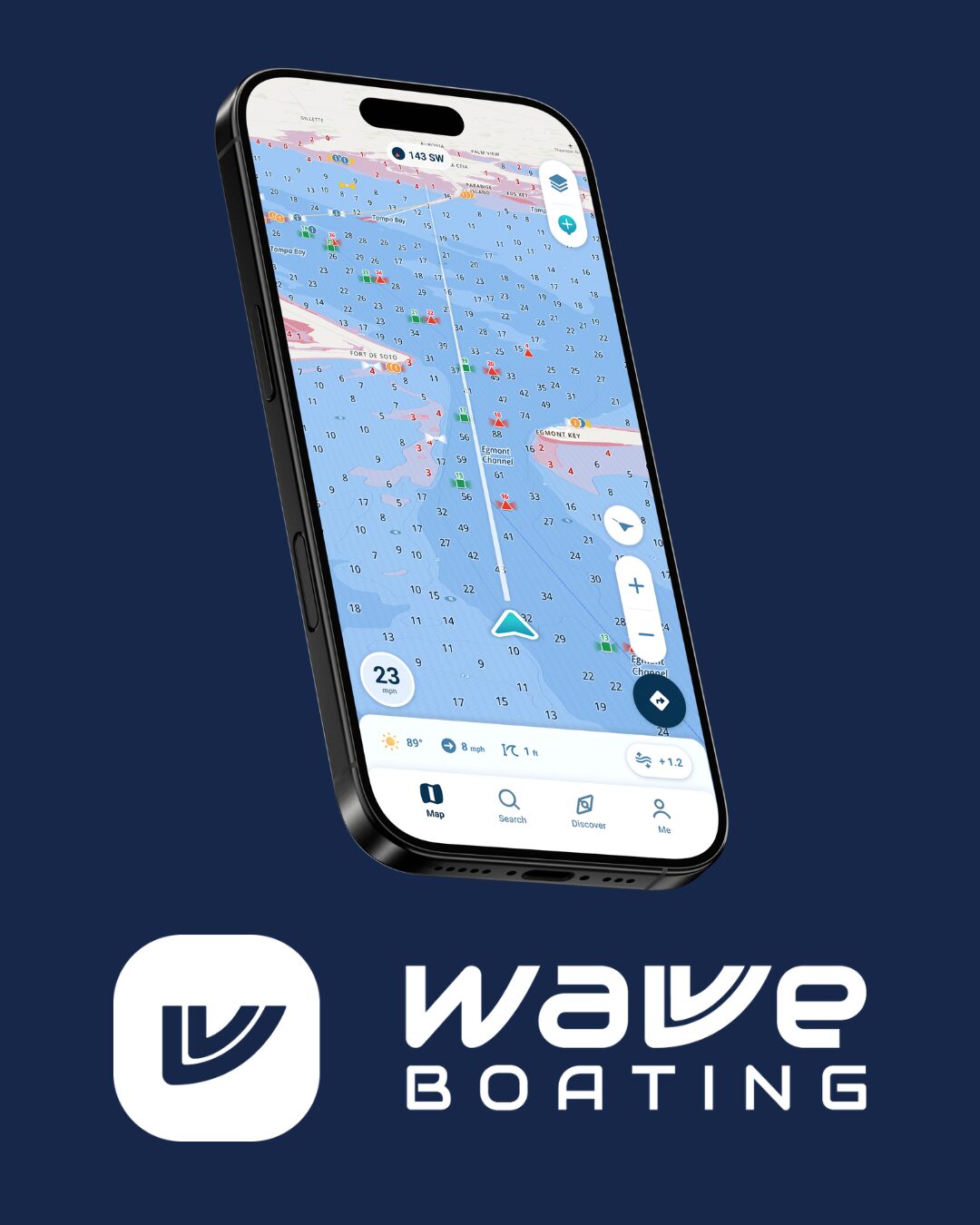
For boaters wanting real-time awareness of depth relative to their specific vessel, modern marine navigation systems now provide draft-aware features that automatically adjust depth displays based on your boat’s specifications.
The 1.5x Draft Safety Rule