 JOIN
JOIN MEMBERS
 C-TOW APP
 CAREERS
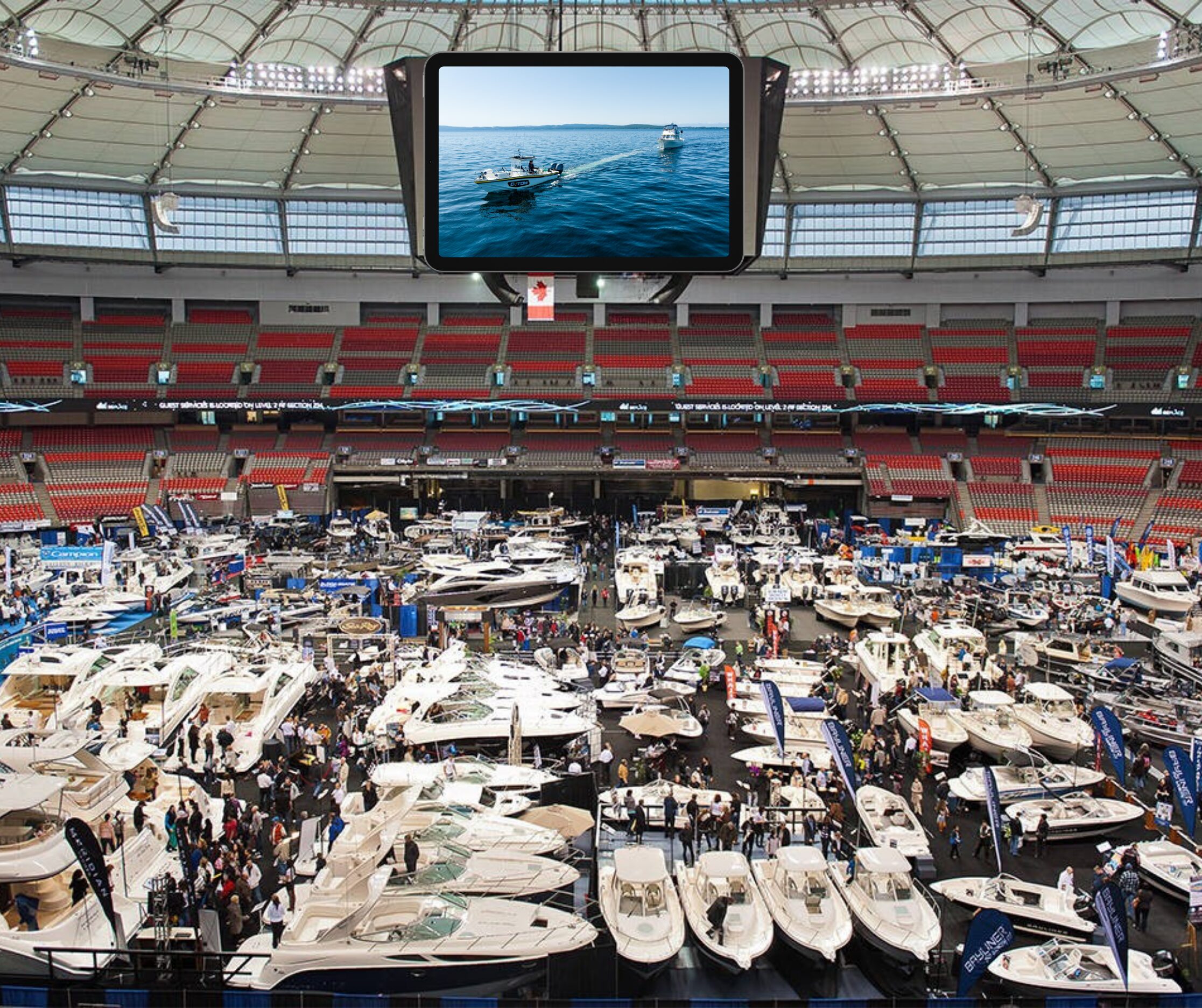
Buying a boat is equal parts excitement and reality check. The “right” boat isn’t the biggest, fastest, or flashiest—it’s the one that matches how you actually boat, where you boat, and what you want your days on the water to feel like.
Below is a practical, no-fluff guide to choosing the right boat, plus three brands that are widely recognized and commonly seen on docks, dealer floors, and in buyer guides—especially among Canadian boaters.
Step 1: Start with your boating lifestyle (not the brochure)
Before you look at brands, get clear on your use case:
- Family cruising and beach days: prioritize comfort, shade, easy boarding, storage, and a head (bathroom) if you’ll be out for hours.
- Fishing (inshore/offshore): prioritize deck space, fishability, rod storage, livewells, and hull performance in chop.
- Watersports: prioritize tow sports features and a layout built for gear and people.
- Sailing and longer passages: prioritize rig, sail plan, storage, and systems that support overnighting.
If you’re torn between two styles, choose the one you’ll use 80% of the time—rent or charter the “other” style when you want to mix it up.
Step 2: Match the boat to your home waters
Where you boat matters as much as what you do:
- Big water / rougher conditions: look for proven hull designs, higher freeboard, and a reputation for solid ride quality.
- Shallow lakes and rivers: draft matters; consider a layout that’s easy to beach and retrieve.
- Cold shoulder seasons: consider enclosed or semi-enclosed options, heating, and weather protection.
Also think about your typical wind and wave patterns. A boat that feels “fine” on calm demo days can feel very different when conditions turn.
Step 3: Be honest about size (and the hidden costs)
Bigger isn’t always better—bigger is often more:
- More fuel
- More maintenance
- More storage costs
- More complexity (systems, electronics, winterization)
A smart rule: buy the smallest boat that comfortably does your main activity. You’ll use it more often, launch it more easily, and stress less.
Step 4: New vs. used (and what to inspect)
Both can be great—if you do your homework.
New boats
- Pros: warranty, latest tech, financing options
- Cons: depreciation, longer lead times, higher insurance/fees
Used boats
- Pros: better value, more boat for the money
- Cons: unknown history, potential hidden issues
What to check (always):
- Hull condition (stress cracks, repairs, soft spots)
- Engine hours and service records
- Electronics and wiring
- Trailer condition (if applicable)
- Sea trial (non-negotiable)
Step 5: Don’t skip the “ownership reality” checklist
Before you buy, confirm:
- Where will you store it (marina slip vs. trailer vs. dry stack)?
- Who will maintain it (DIY vs. shop)?
- What’s your insurance plan?
- What’s your safety and assistance plan if something goes sideways?
Most “bad boat purchases” aren’t bad boats—they’re boats that don’t fit the owner’s lifestyle or budget.
Three Popular Boat Brands Canadian Boaters Often Consider
There’s no single “best” brand for everyone. But if you’re shopping for 2026, these are three names that are consistently well-known across the industry and commonly considered by Canadian boaters, depending on the style of boating you do.
1) Sea Ray
Sea Ray is a go-to for comfort-forward design and a strong lineup for cruising and family boating.
Best for:
- Day cruising
- Entertaining
- Comfortable layouts with premium fit and finish
2) Boston Whaler
Boston Whaler is widely recognized for build quality and capability, particularly in saltwater and offshore-leaning models.
Best for:
- Offshore and coastal boating
- Fishing + family hybrids
- Owners who prioritize confidence in tougher conditions
3) Beneteau
Beneteau is a major global name in sailing (and also powerboats), and it’s commonly considered by buyers who want modern design and a wide range of models.
Best for:
- Sailing and overnighting
- Buyers who want broad model choice and global support
- Value-minded sailors who still want modern design
Quick “which one is right for me?” shortcut
- If your dream day is cruising, swimming, and hosting friends → start with Sea Ray.
- If your dream day is big-water confidence with fishing capability → start with Boston Whaler.
- If your dream day is sailing, passages, and overnight comfort → start with Beneteau.
Final tip: buy the boat you’ll use most—and plan for the days you hope you never have
The best boat is the one that gets you out more often, with less stress. And once you’re on the water, having a clear plan for maintenance, safety gear, and on-water assistance can make the difference between a great story and a long day.
Note: Brand mentions are based on general industry reputation and commonly referenced buyer guides—not a formal ranking.