 JOIN
JOIN MEMBERS
 C-TOW APP
 CAREERS
How the end of boating season quietly becomes one of the most dangerous times on the water
Picture this: it’s a Saturday in mid-September. The sky is clear, the dock is warm underfoot, and the lake looks just as inviting as it did in July. It’s easy — tempting, even — to treat one last run of the season like any other summer outing.
But what you can’t see from the dock is what’s lurking below the surface. And by September, that water has a different story to tell entirely.
The Gap Between What You Feel and What’s Real
Every fall, Canadian waterways enter a critical transition period. The air temperature stays pleasant, but the water beneath the hull has already begun its seasonal drop. By mid-September, water temperatures across Ontario, British Columbia, and Newfoundland typically settle into the 12–16°C range — water that feels bracingly cold the second you’re in it, and that your body simply cannot handle the way it could in August.
The Canadian Safe Boating Council recommends treating any water below 21°C with serious caution. That threshold is closer than most boaters think, and it’s often already crossed by Labour Day weekend.
Here’s the part that catches people off guard: it doesn’t matter how strong a swimmer you are. Cold water isn’t a swimming problem. It’s a survival problem.
The Science: What Happens to Your Body
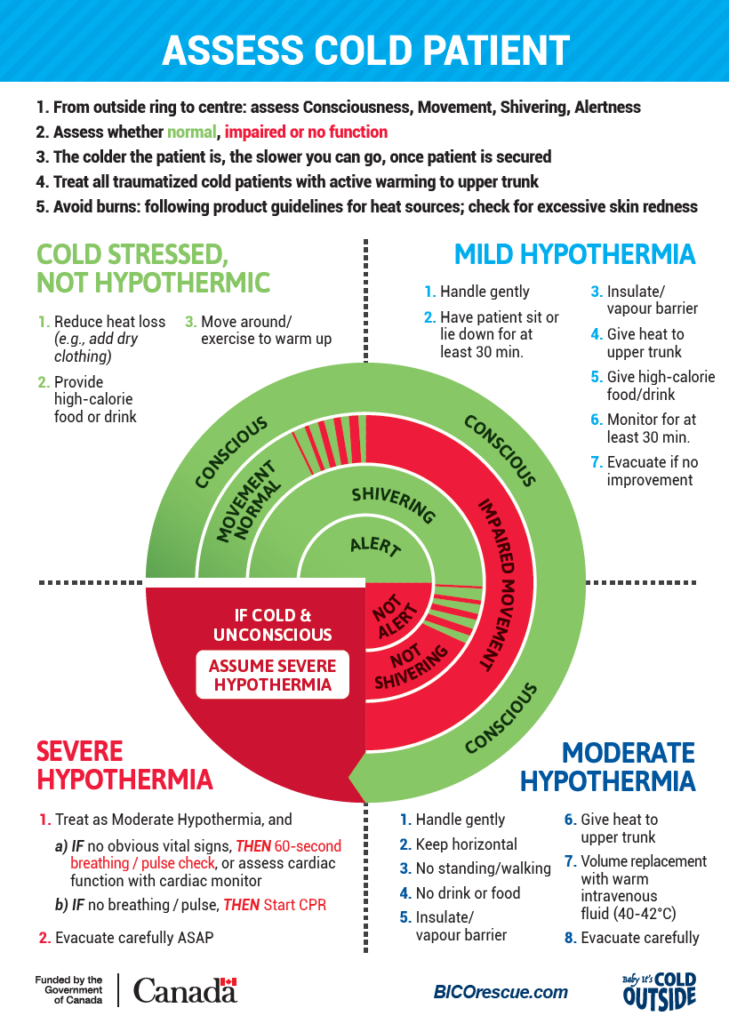
The cold water immersion response is fast, physiological, and largely outside your control. Researchers and water safety experts summarize it using the 1-10-1 Rule — three numbers every boater should commit to memory.
1 minute — the moment you hit water below 15°C, cold shock triggers an involuntary gasp reflex. Your breathing rate can skyrocket to eight to ten times normal. In choppy water, that single uncontrolled gasp can be enough to inhale water. Without a properly fitted PFD keeping your airway above the surface, this phase alone can be fatal — before hypothermia even enters the picture.
10 minutes — if you survive the first minute, you have roughly 10 minutes of meaningful physical movement before cold incapacitation begins. Your muscles lose coordination, your grip weakens, and your ability to self-rescue drops sharply. Treading water, climbing a ladder, even waving for help becomes significantly harder. This is your window to act.
1 hour — only after these first two phases does classical hypothermia typically set in. Core body temperature begins to drop, leading eventually to confusion, unconsciousness, and cardiac arrest if you remain in the water.
The Lifesaving Society of Canada reports that approximately 35% of drownings in the country occur between October and April — months when most victims had no intention of entering the water at all. Across the country, roughly 90 people die in recreational boating accidents every year, and 80% of those victims were not wearing a life jacket. In Ontario alone, OPP data found that nearly 80% of boating fatalities investigated involved people who were not wearing a PFD at the time.
Fall, in other words, is not when the risk goes away. It’s often when it peaks.
Before You Go: Five Things That Actually Make a Difference
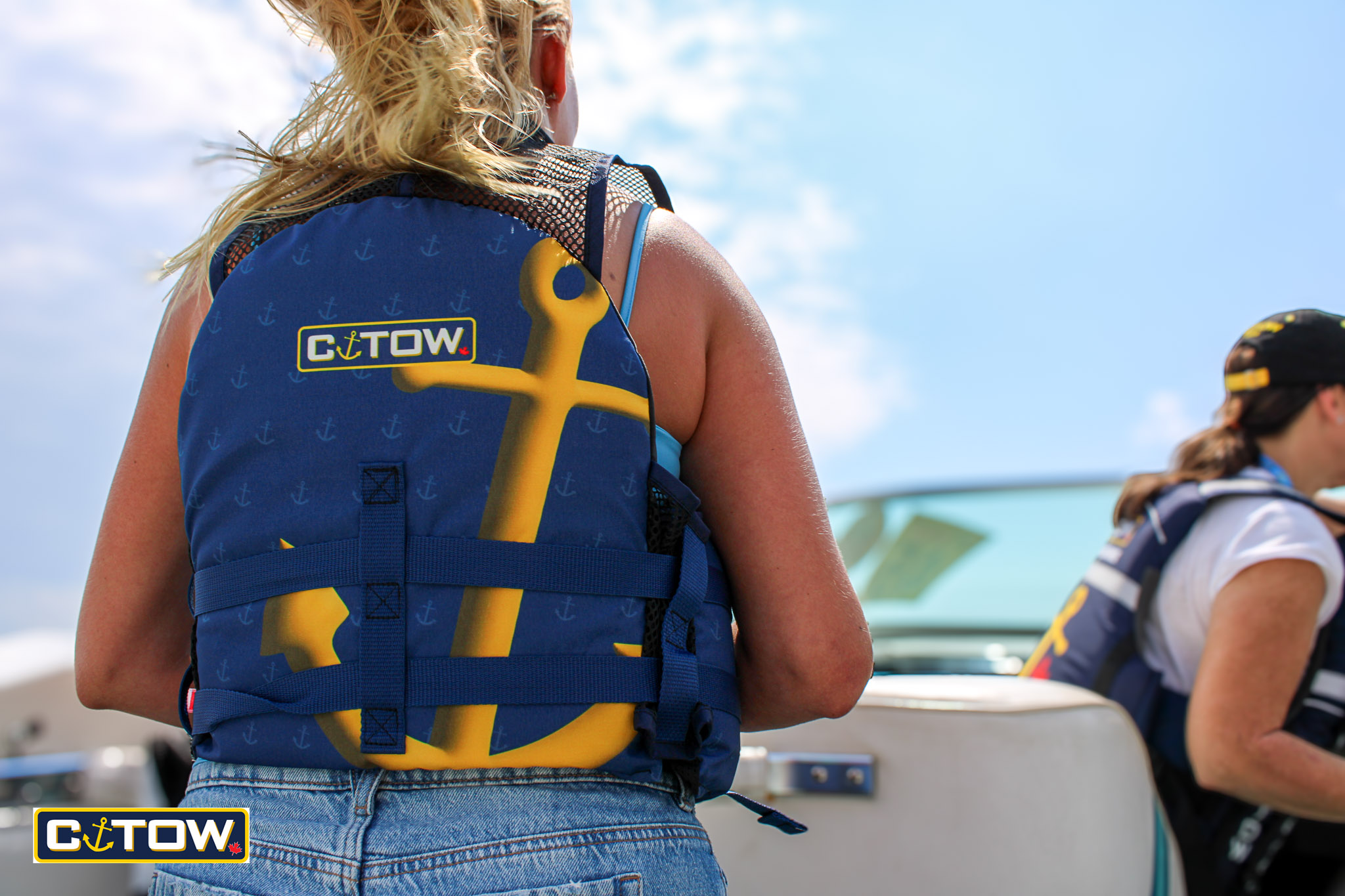
Wear your PFD — every trip, every person on board. Not stored under the seat. Not clipped to the rail. On your body. A PFD only works if you’re already wearing it when you go in. There is no time to retrieve it after the fact.
Dress for the water temperature, not the air. A light fleece might feel appropriate on deck, but it provides almost no thermal protection in the water. On late-season runs, consider a wetsuit or drysuit, especially on open water or in conditions where a capsize is possible.
File a float plan. Tell someone onshore exactly where you’re going and when you expect to be back. It takes two minutes and costs nothing — and it means the difference between a quick response and a prolonged search.
Inspect your safety kit. Flares expire. Throw ropes degrade. Distress signals get buried under gear and forgotten. Before your last runs of the season, pull everything out, check expiry dates, and confirm your kit is complete and accessible.
Know what to do if you fall in. Your first priority is to get out of the water. If you can’t get out, adopt the H.E.L.P. position — Heat Escape Lessening Posture — by drawing your knees to your chest and crossing your arms tightly against your body. This slows core heat loss and buys time for rescue. If others are in the water with you, huddle together. Conserve warmth, conserve energy.
And if you’re the one on deck watching someone go overboard: keep them in sight, throw a rope or flotation device immediately, and call for help. Do not jump in after them unless you are wearing a PFD and it is the absolute last option.
The Season Isn’t Over Until You’re Safely Ashore
Forty-plus years on Canadian waterways has taught C-Tow’s captains one consistent lesson: the boaters who stay safest are the ones who stay prepared — all the way to the very last run. The end of the season carries its own set of risks, and recognizing them is what separates a great day on the water from a tragedy.