 JOIN
JOIN MEMBERS
 C-TOW APP
 CAREERS
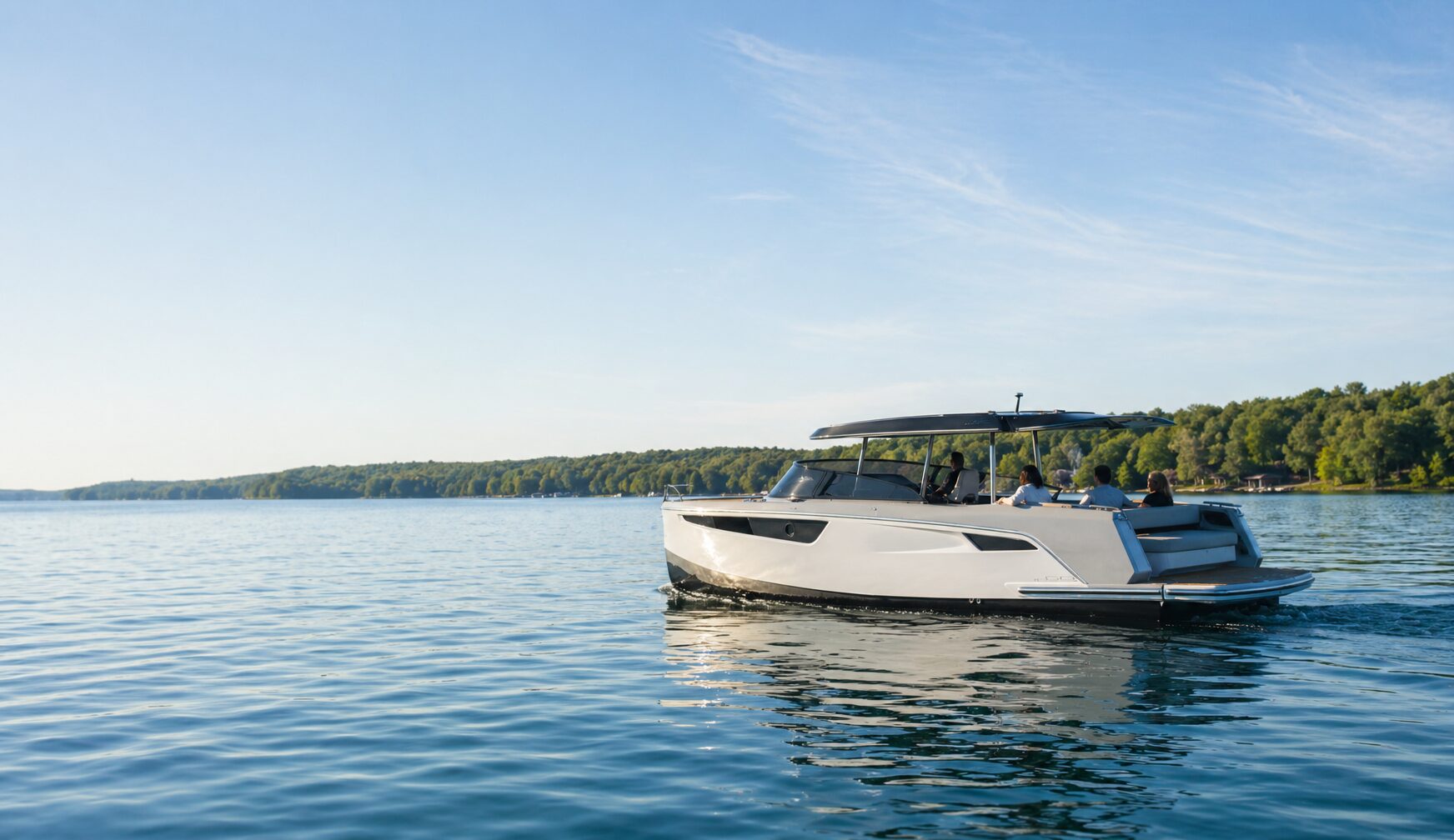
Electric propulsion isn’t a “someday” technology anymore. It’s showing up in more docks, more dealer conversations, and more real-world use cases—especially for boaters who want quiet cruising, easier maintenance, and a modern alternative for short-to-medium runs.
But before you jump in, it’s worth understanding what electric does really well—and where it still requires planning.
What electric outboards do best:
- Quiet, smooth operation: Less vibration, less noise, more “enjoy the water.”
- Lower routine maintenance: Fewer moving parts than a traditional gas outboard.
- Instant torque: Great responsiveness at low speeds.
- Great for certain boating styles: Tenders, inflatables, small fishing boats, and calm-water cruising.
The big question: range (and how to think about it)Range depends on boat weight, hull type, wind/current, speed, and battery capacity. The best way to think about electric is like planning a day on the water with a “battery budget.”
Practical planning tips:
- Be realistic about your typical day: short runs and lots of drifting/anchoring are ideal.
- Know your charging plan: at home, at the marina, or portable options.
- Keep a buffer: don’t plan to return with “0%.” Build in margin for weather and detours.
Cost-of-ownership: what boaters are weighingElectric can reduce fuel costs and some maintenance, but upfront costs and charging infrastructure matter. Many boaters are starting with electric on a smaller craft first—then deciding if it fits their bigger boating life.
C-Tow angle / CTA:No matter what powers your boat, the goal is the same: confidence on the water. If you’re trying a new setup this season—electric or gas—do a shakedown run close to home, keep your essentials onboard, and make sure you’ve got a plan if you lose power or get stuck.