 JOIN
JOIN MEMBERS
 C-TOW APP
 CAREERS
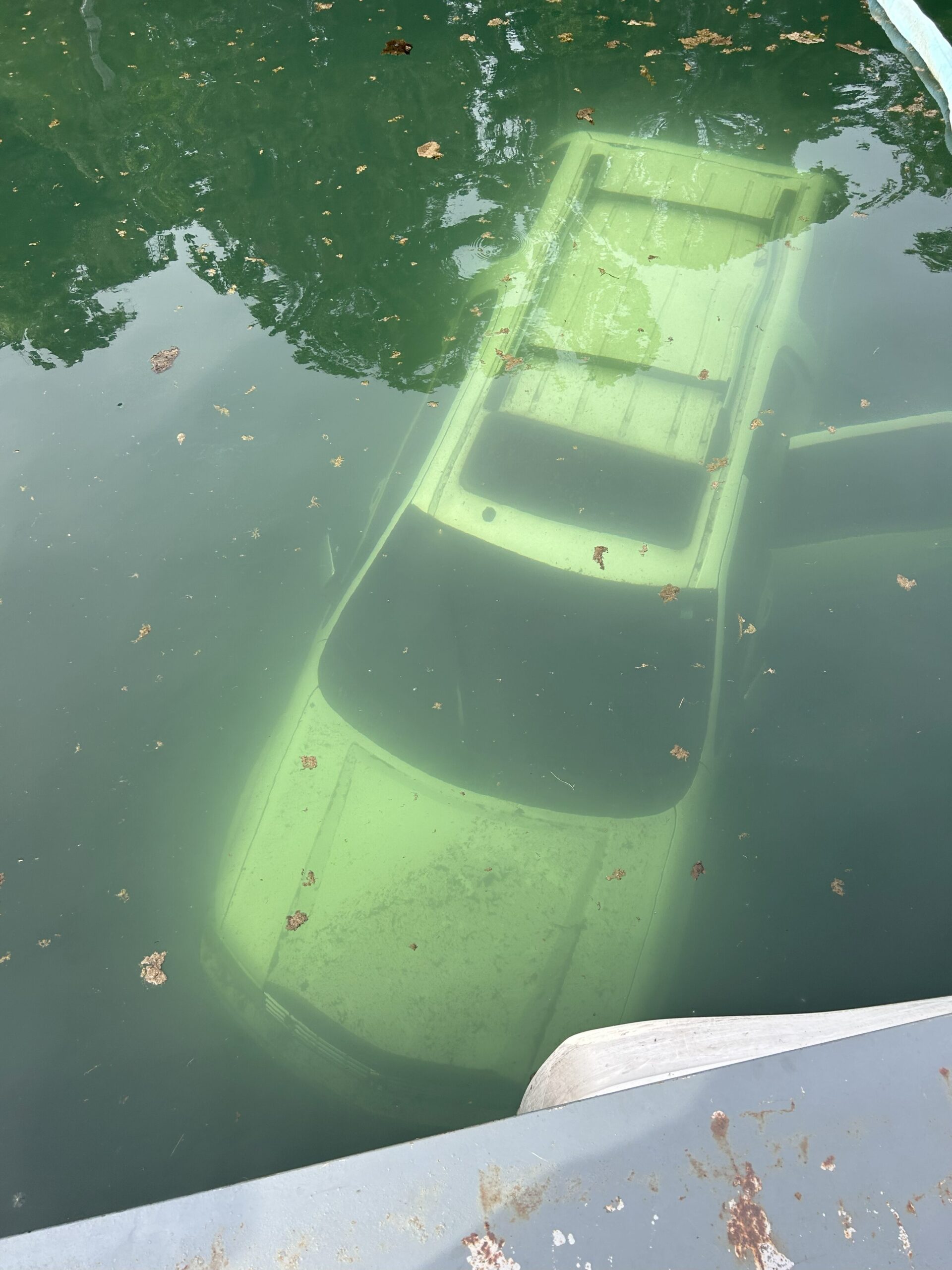
Launching a boat should feel like the start of a great day on the water—not a stress test for you (and everyone waiting behind you). A little prep and a little courtesy go a long way. Here are practical tips and launch-ramp etiquette rules that keep things safe, fast, and friendly.
1) Do your prep before you hit the ramp
The ramp is for launching and loading—not organizing gear.
- Use the staging area (or a nearby parking spot) to get ready.
- Load coolers, bags, and kids first so you’re not juggling on the incline.
- Install the drain plug (say it out loud: “Plug in!”).
- Remove transom straps and any travel supports.
- Attach bow and stern lines so someone can control the boat once it floats.
- Check fuel, battery switch, and blower (if you have an inboard).
- Unhook trailer lights if your setup requires it.
2) Have a simple “two-person” plan (even if you’re solo)
A smooth launch is mostly communication.
- Assign roles: one person backs down, one handles lines.
- Agree on hand signals before you start.
- Keep voices calm—ramps are loud and stressful enough.
Solo launching? Set your lines up in advance and move with intention. Slow is smooth; smooth is fast.
3) Back down efficiently (and safely)
- Take your time—rushing leads to jackknifing or missed alignment.
- Use mirrors, not your neck. Adjust them before you enter the queue.
- Keep your wheels straight and make small corrections.
- Wait your turn and avoid “ramp creeping” past others.
- USE THE PARKING BRAKE .. or you may end up like the guy in the above picture.
4) Don’t block the ramp—float, tie off, move on
Once the boat is floating:
- Guide it to the courtesy dock (or shoreline) immediately.
- Tie up quickly and securely—short lines, no drifting.
- Move the tow vehicle to parking right away.
If there’s no dock, have a plan for where the boat will sit safely without bouncing into rocks or other boats.
5) Start-up etiquette: keep it quick and controlled
- Do your engine warm-up away from the ramp when possible.
- Avoid long idling at the dock if others are waiting.
- Keep wake to a minimum near the ramp and dock.
6) Loading back onto the trailer: patience wins
Loading often takes longer than launching—give people grace.
- Prep your trailer in the staging area (straps ready, winch accessible).
- Approach slowly and line up once—avoid repeated high-speed attempts.
- Use the winch when needed. Power-loading can damage ramps and shorelines and may be restricted.
- Pull up and secure in the staging area, not on the ramp.
7) Common ramp mistakes (and how to avoid them)
- Forgetting the plug: make it part of your checklist.
- Uncontrolled boat drift: always have lines ready.
- Taking too long to park: decide who parks before you launch.
- Blocking the lane: if you need to troubleshoot, move out of the way.
- Launching in bad conditions: if wind/currents are strong, ask for help or wait for a safer moment.
8) Courtesy rules that make you everyone’s favourite boater
- Be ready when it’s your turn. If you’re not ready, wave the next person through.
- Offer help when it’s safe (a quick line grab can save the day).
- Keep the ramp clean—pick up trash, fishing line, and broken straps.
- Respect posted rules (no power-loading, speed limits, lane directions).
- Stay calm—everyone started somewhere.
9) A quick launch checklist (save this)
- Plug in
- Lines on (bow + stern)
- Straps off
- Keys in hand
- Blower on (if applicable)
- Battery/fuel set
- Fenders ready
- Plan agreed (who does what)
Final thought
Good ramp etiquette isn’t about being perfect—it’s about being prepared, predictable, and considerate. Do your setup in the staging area, launch efficiently, and clear the ramp quickly. You’ll protect your boat, keep others safe, and start your day on the water the right way.