 JOIN
JOIN MEMBERS
 C-TOW APP
 CAREERS
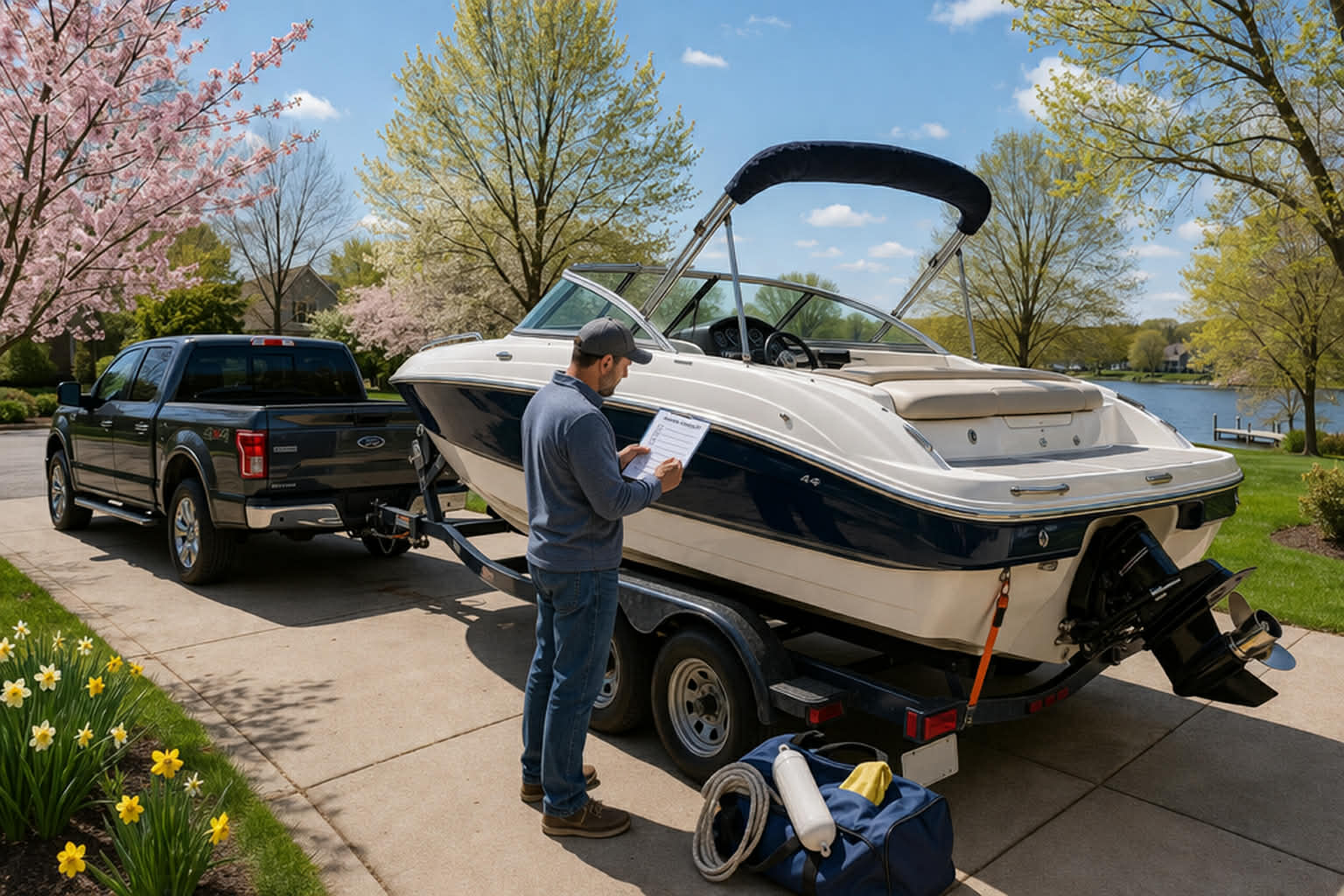
There’s nothing like that first real day back on the water—when the cover comes off, the engine turns over, and winter finally feels like it’s in the rearview.
Even if your boat isn’t splashing in just yet, right now is the perfect time to get ahead of the season. A little pre-season prep saves you time, money, and stress later—so when the weather flips, you’re ready.
After a long winter, most on-water issues aren’t “major mechanical failures” — they’re the small, preventable things that get missed in the first-launch rush. A loose battery connection. A clogged vent. A bilge pump that worked fine last fall but doesn’t fire up now. The good news: a quick spring reset can prevent a lot of early-season headaches and help you start the season feeling confident.
Check out this practical checklist that you can run through before your first trip. You don’t need to do everything in one day — even tackling the basics will make a difference.
Spring Commissioning Checklists (Hull, Engine/Bilge, Rigging, Trailer, Safety, Electrical)
Hull & topsides
- Wash first so cracks and damage are visible.
- Inspect gelcoat/paint for blisters, chips, and stress cracks (especially around cleats, rails, and transom).
- Check through-hulls, seacocks, and clamps for corrosion; confirm valves move freely.
- Inspect rub rail, swim platform mounts, ladder hardware, and windshield fasteners.
- Confirm drain plug condition (threads, gasket) and keep a spare onboard.
Engine & bilge
- Open the engine hatch and look before you start: belts, hoses, clamps, wiring, and any signs of fuel/oil/coolant leaks.
- Check fluids (engine oil, gear lube, coolant where applicable) and replace filters per schedule.
- Inspect raw-water impeller and cooling hoses; a tired impeller is a common early-season failure.
- Test blower and ventilation; sniff for fuel vapours before every start.
- Bilge: clean and dry it, then test bilge pump(s) and float switch. Pour water in to confirm automatic activation.
Rigging (for sailboats and rigged setups)
- Inspect standing rigging (shrouds/stays) for broken strands, corrosion, and turnbuckle wear.
- Check running rigging for chafe and UV damage; replace lines that feel “fuzzy,” flat, or stiff.
- Winches: clean, lightly lubricate, and confirm pawls engage.
- Verify mast lights and anchor light before stepping the mast.
Trailer
- Tires: check age, cracks, and pressure (including the spare).
- Bearings: inspect/grease; look for heat damage or play.
- Brakes: confirm function and inspect lines; flush if needed.
- Lights: test all signals and running lights.
- Winch strap, safety chains, bow eye, and tie-down points: inspect for fraying, rust, and secure attachment.
Safety gear
- Confirm you have the required equipment for your vessel and waters.
- Inspect life jackets/PFDs for tears, broken buckles, and waterlogging.
- Check expiry dates: flares, fire extinguishers, and first-aid supplies.
- Replace missing basics: whistle, heaving line, flashlight, spare fuses, and a basic tool kit.
Electrical checks
- Inspect battery terminals for corrosion; clean and protect.
- Confirm shore power cord and connections are in good shape (no heat marks or cracks).
- Test navigation lights, horn, bilge pump, and electronics at the dock before your first trip.
Pro tip: Do a “dry run” start at home or at the dock with cooling water supplied properly (per manufacturer guidance). It’s the fastest way to catch alarms, leaks, or charging issues.