 JOIN
JOIN MEMBERS
 C-TOW APP
 CAREERS
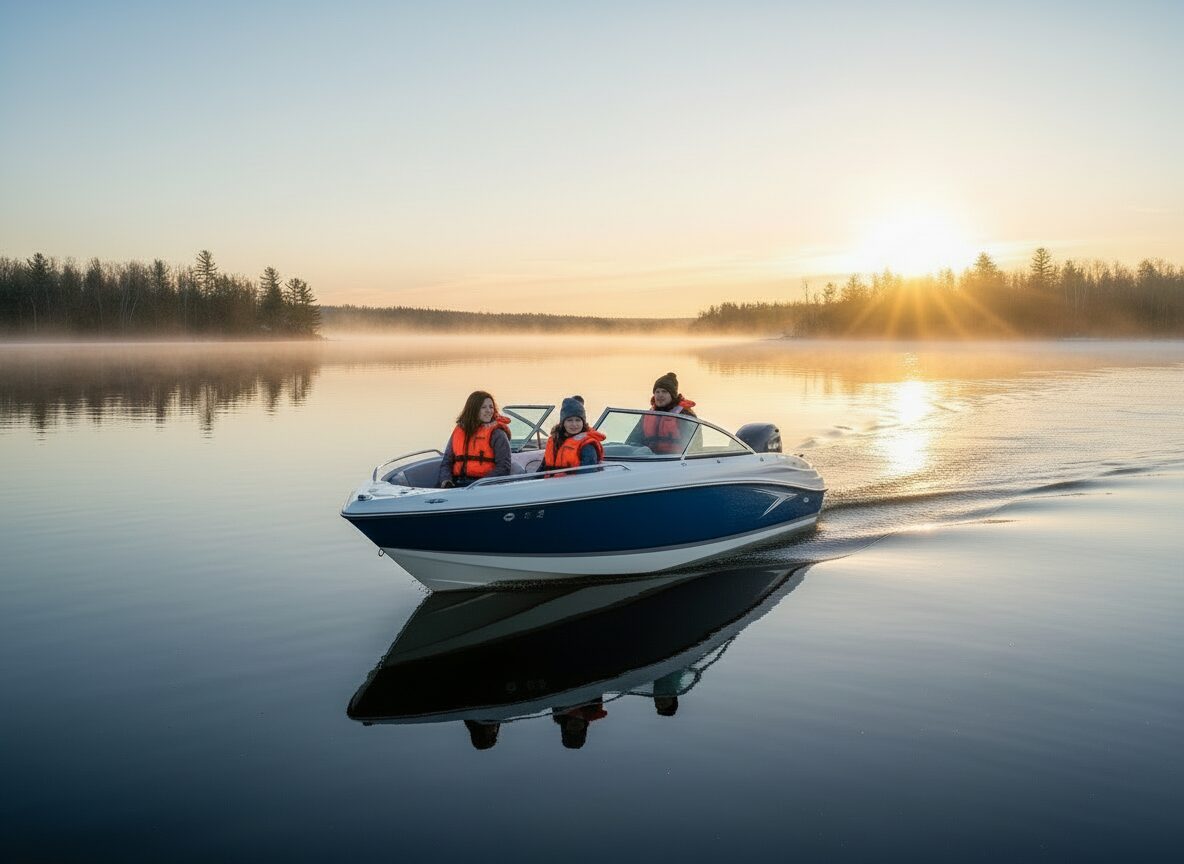
The first warm weekend hits and suddenly the launch ramp is busy again. But here’s the spring boating truth most people don’t realize until it’s too late: the air can feel like summer while the water is still cold enough to turn a small problem into a serious emergency.
Cold water changes everything—how quickly your body tires, how well you can think, and how hard it is to climb back onto a boat or swim to shore. And in spring, it’s easy to be caught off guard because the sunshine makes you feel “safe.”
Why spring is different (even for experienced boaters)
In the shoulder season, the risk isn’t just “falling in.” It’s what happens next.
- Cold shock can hit in the first minute: gasping, rapid breathing, panic.
- Muscle function drops fast: even strong swimmers can lose grip strength and coordination.
- Decision-making gets harder: cold makes it tougher to problem-solve and communicate.
Spring boating is absolutely doable—you just want to approach it like a different season.
The 1-10-1 rule (simple cold-water survival education)
A great way to remember what cold water does to your body is the 1-10-1 principle:
- 1 minute to get your breathing under control after cold shock
- 10 minutes of meaningful movement (your best window for self-rescue)
- 1 hour before you may lose consciousness from hypothermia (timing varies)
You don’t need to memorize medical details. You just need the takeaway: the first few minutes matter most, and panic burns time and energy.
If you end up in cold water: what to do (in plain language)
If you fall in, your goal is to buy time and make smart, simple moves.
- Don’t panic—focus on breathing first. Expect the gasp reflex. Keep your airway clear and take short, controlled breaths until the initial shock passes.
- Keep your lifejacket on. A PFD keeps you floating while you regain control.
- Get out of the water if you can do it quickly and safely. A ladder, swim platform, stirrup, or even a looped line can make a huge difference.
- If you can’t get out, conserve heat. Stay as still as possible and use a heat-saving position (like the HELP posture) to reduce heat loss.
- Stay with the boat if it’s safe to do so. A boat is easier to spot than a person in the water.
The spring cold-water checklist (simple, not dramatic)
Before you leave the dock, run through these quick basics:
- Wear the PFD at all times, not “if needed.” In cold water, you may not get a second chance.
- Dress for the water, not the air. Layers, wind protection, and a dry bag with warm backup basics.
- Tell someone your plan. Where you’re going, who’s with you, and when you’ll be back.
- Make sure your phone can help you. Fully charged, in a waterproof case, and easy to reach.
- Don’t boat alone in the early season if you can avoid it. A second set of hands matters.
Taking a cold-water survival course could save a life
Even experienced boaters are surprised by how intense cold shock feels—and how quickly coordination drops. A cold-water survival course gives you practical skills you can use under stress, and it helps you build the right habits before an emergency ever happens.
If you boat in spring or late fall, consider adding a cold-water survival course to your season prep. It’s one of those things you hope you never need—but if you do, it can save a life.
The bottom line
Spring boating is one of the best times to be on the water—quiet marinas, crisp air, and that “season is back” feeling. Just remember: warm weather doesn’t mean warm water. A few small choices—PFDs on, a plan in place, and the right mindset—can make all the difference.