 JOIN
JOIN MEMBERS
 C-TOW APP
 CAREERS
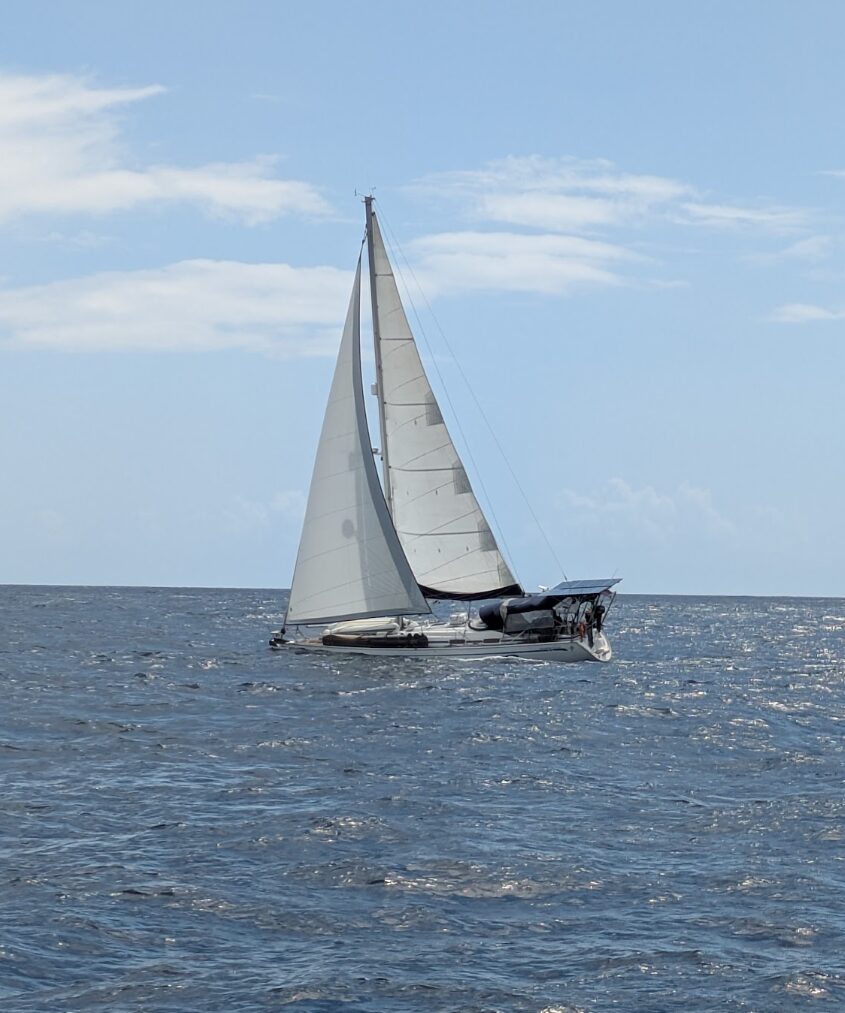
You cast off the lines. The fenders are stowed. The crew is smiling. The wind looks perfect.
And then it happens. Everything seems to break all at once.
An engine alarm. A strange vibration. No water coming out of the exhaust. The autopilot won’t hold course. The alternator light flickers on. Something always seems to fail right after you leave the dock.
It feels personal.
But here’s the truth: your boat isn’t out to get you. Leaving the dock simply exposes weaknesses that were already there. Motion, load, vibration, and real-world conditions reveal what calm dock life hides.
On one rough passage across the gulfstream to the Bahamas we experienced this first hand. An anchor lock rebuild had 30 gallons of water pouring into our v-berth. While trying to bail the water out I tumbled down the ladder as it fell apart under me. Trying to radio a buddie boat to let them know what was going on and our radio was unresponsive.
Let’s break down why this happens — and how to stop it from ruining your next departure.
Load Changes Everything
At the dock, most systems are barely working.
The engine may idle for a few minutes. The alternator isn’t pushing hard. The rig isn’t loaded. The steering isn’t under strain. Even the batteries aren’t being seriously tested.
The moment you leave, all of that changes.
You push the throttle up to cruising RPM. The alternator starts charging at full output. The cooling system flows at maximum demand. The rig tightens under wind pressure. The autopilot works continuously.
Systems don’t fail at rest. They fail under load.
A belt that seemed fine at idle slips once RPM increases. A partially clogged cooling system overheats when the engine runs hard. A weak electrical connection works until vibration and amperage increase.
Movement Reveals Hidden Issues
A boat tied to a dock is stable. It doesn’t heel. It doesn’t pound. It doesn’t vibrate continuously.
Underway, everything shifts.
Fuel in the tank sloshes sucking up that junk in the bottom of your tank, stirring sediment that’s been resting quietly at the bottom. That sediment gets sucked into filters 30 minutes after departure — which is why clogged fuel filters are one of the most common “just left the dock” failures.
Wires shake. Hoses flex. Lockers shift. A loose hose clamp that didn’t drip at the dock suddenly weeps under vibration. A poorly crimped electrical connector disconnects. We lost all our water once because the warming engine compartment loosened a hose clamp which was securing a water line.
The Five Most Common “Leaving the Dock” Failures
Certain problems show up again and again.
1. Raw Water Impeller Failure
An old impeller survives idle but fails once RPM increases. The first sign is rising temperature or no exhaust water flow.
2. Loose Alternator Belts
A belt squeals and smokes under real load and stops charging properly.
3. Batteries That Weren’t Actually Charged
Surface charge makes them appear full. Under load, voltage drops quickly.
4. Steering Issues
Loose cables, quadrant bolts, or hydraulic fittings reveal themselves once strain increases. We almost left for a 47 hrs crossing without testing our steering. Luckily our 2 year old boy found that our hydraulic steering was low on fluid by playing with our helm before departure instead of after releasing from the mooring ball.
5. Immediate Chafe
Lines routed poorly begin rubbing the moment sails load up.
None of these are dramatic system failures. They’re neglected small problems exposed by stress.
Upgrades and Modifications Must Be Tested Underway
This is one of the biggest traps boat owners fall into.
You install new electronics. You upgrade alternators. You reroute plumbing. You modify steering. You change fuel lines. You install solar or lithium batteries.
It all works beautifully at the dock.
Any upgrade or modification must be tested on the water under real conditions before committing to a long sail. That means:
- Running the engine at cruising RPM.
- Testing new electrical systems while charging and discharging.
- Sailing with new rigging or deck hardware under actual sail pressure.
- Checking for leaks after the boat heels and pounds.
Even minor modifications can create unexpected side effects. Leaks show up that never existed before, parts vibrate loose, your big upgrade works in theory but falls short in practice. The ocean is not the place for a first test.
If you’ve changed something, assume it needs a sea trial before a passage.
How to Break the Curse
You can’t prevent every failure. But you can dramatically reduce surprises.
Load-Test Before You Go
Run the engine at cruising RPM while tied to the dock or mooring. Let it reach full operating temperature. Check voltage output. Look for leaks afterward.
Test windlass operation under tension. Turn on multiple heavy electrical loads and check for hot connection points or wires.
Don’t just confirm systems turn on. Confirm they work under stress.
Use the “First Hour Rule”
Treat the first hour after departure as a systems test.
Stay near bailout anchorages if possible. Keep tools accessible. Monitor temperature, oil pressure, voltage, and steering feel. Open the engine compartment after 30 minutes and inspect for drips or belt dust. We’ve had to quickly drop anchor because our alternator belt was smoking due to loose belt tension and high load.
Assuming something might reveal itself helps you stay calm when it does.
Physically Touch Systems
Look isn’t enough. Tug hoses. Shake wires. Move steering linkages. Operate seacocks. Spin winches. Open lockers.
Now is the time to find these issues, not while underway on your next overnight passage.
Expect Something Minor
If you mentally expect perfection, every issue feels dramatic. If you expect minor adjustments, you stay calm and can deal with any issues with a clear head.
Preparation changes psychology.
Why This Is Actually Good News
It may not feel comforting when the engine sputters outside the harbor, but early failure is often a gift.
Better to discover a clogged filter one mile offshore in calmer waters than 100 miles out getting thrown around by swell.
Departure failures are often warnings. They give you the opportunity to correct weaknesses before committing to serious distance.
Your boat isn’t betraying you. It’s communicating.
The Real Lesson
Boats don’t break because they hate you (even if it feels that way at times). They break because motion, stress, and vibration reveal the truth.
The dock hides problems. The sea exposes them.
The solution isn’t fear. It’s testing under load, touching systems instead of glancing at them, and treating your first shorter passage underway as part of your maintenance routine.
If nothing breaks in that first passage, you can finally relax.
And if something does?
You just found it at the best possible time.
Cory Bertrand
Cory and Alex share their adventure with weekly videos on their YouTube channel “Wildly Intrepid Sailing”. Their dream is to travel the world and to live without any regrets.